In many of today’s creative spaces, speed is rewarded. We sketch quickly, type faster, and move on. Chinese calligraphy asks for the opposite. It asks you to slow down enough to notice how your hand moves, how your breath settles, and how intention shapes every mark you make on the page.
Students encountering calligraphy for the first time often expect it to be about memorizing characters or perfecting form. What they discover instead is a process that unfolds gradually. Early strokes may feel uncertain. The brush may wobble. Ink may spread in unexpected ways. These moments are not setbacks—they are the beginning of awareness.
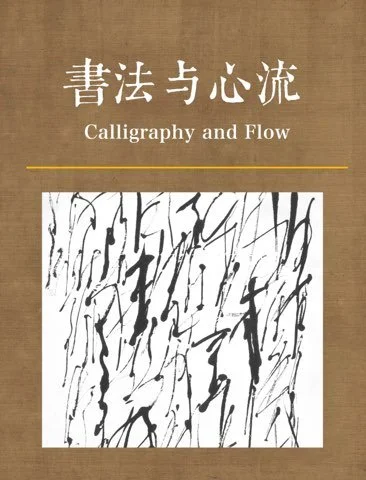
The progression captured in student work and practice sheets tells a powerful story. Initial attempts show careful concentration, a focus on control. Over time, the strokes loosen. Movement becomes more confident. Lines begin to breathe. This evolution doesn’t come from rushing or correcting mistakes, but from repetition and attention.
One of the most meaningful lessons calligraphy offers is patience. Because there is no erasing, each stroke carries weight. Students learn to pause before acting, to commit fully once the brush touches paper. This rhythm—prepare, move, release—becomes a steady guide throughout the practice.
Calligraphy also reshapes how people think about learning. Instead of aiming for a finished product, students begin to value the process itself. A page of imperfect characters becomes a record of effort, growth, and presence. Over time, this mindset often extends beyond the art form, influencing how students approach challenges in other areas of life.
The images from recent classes and workshops reflect this quiet transformation. They show focus, curiosity, and moments of calm concentration. They show that calligraphy is not reserved for experts or those fluent in Chinese, but open to anyone willing to engage with the brush and the moment in front of them.
Whether practiced virtually or in person, Chinese calligraphy continues to resonate because it teaches something rare: how to be fully present while creating. Each session becomes less about writing characters and more about learning how to move with intention.
To explore upcoming virtual and in-person calligraphy classes, visit https://jojocalligraphy.com.