
Virtual Chinese Calligraphy Lessons in New York and Boston
Learning Chinese calligraphy has traditionally required being present in a studio or classroom, but today students can explore this ancient art from wherever they live. Virtual Chinese calligraphy lessons in New York and Boston now make it possible for learners to study brush techniques, character structure, and the philosophy behind calligraphy without leaving home. Through live online instruction, students gain direct guidance while practicing in their own space, creating an experience that blends tradition with modern convenience.
Chinese calligraphy is more than writing characters on paper. It is a practice that emphasizes balance, rhythm, and awareness. Each stroke reflects the movement of the brush, the pressure of the hand, and the flow of ink across the page. In virtual Chinese calligraphy lessons, students learn how to hold the brush correctly, follow traditional stroke order, and understand how characters develop from simple forms into expressive compositions. Over time, these lessons help students build confidence while also cultivating patience and focus.
Students joining from New York and Boston often appreciate the flexibility that virtual instruction provides. Busy schedules and city life can make it difficult to attend in-person workshops, but online lessons allow participants to connect with the instructor and other students from the comfort of home. Whether someone lives in Manhattan, Brooklyn, Cambridge, or downtown Boston, they can join a class and experience the same guidance and creative environment as an in-person session.
Virtual Chinese calligraphy lessons are not limited to these two cities. Students regularly join from Los Angeles, San Francisco, Chicago, Las Vegas, Toronto, Vancouver, and many other locations across the United States and Canada. This wide reach allows participants from different backgrounds and regions to learn together while sharing a common interest in art and cultural tradition.
One of the most rewarding aspects of learning calligraphy virtually is that it encourages a slower pace of creativity. In a world filled with digital communication and quick responses, calligraphy offers a chance to pause and focus on a single brushstroke. The act of writing becomes a moment of reflection, allowing students to connect with an art form that has been practiced for centuries.
Whether you are based in New York, Boston, or another city across North America, virtual Chinese calligraphy lessons provide an accessible way to begin learning this expressive art. With consistent practice and guidance, students discover that calligraphy is not only about forming characters but also about developing a deeper appreciation for movement, balance, and artistic expression.
To learn more about upcoming classes and workshops, visit https://jojocalligraphy.com.
Virtual Chinese Calligraphy Lessons in Toronto and Vancouver
Interest in traditional arts continues to grow in cities like Toronto and Vancouver, where diverse communities value cultural exploration and creative learning. Virtual Chinese calligraphy lessons in Toronto and Vancouver now make it possible for students to study this centuries-old art form from the comfort of their homes. Through live online instruction, participants can learn the fundamentals of brushwork while experiencing the depth and beauty of Chinese calligraphy without needing to travel to a physical classroom.
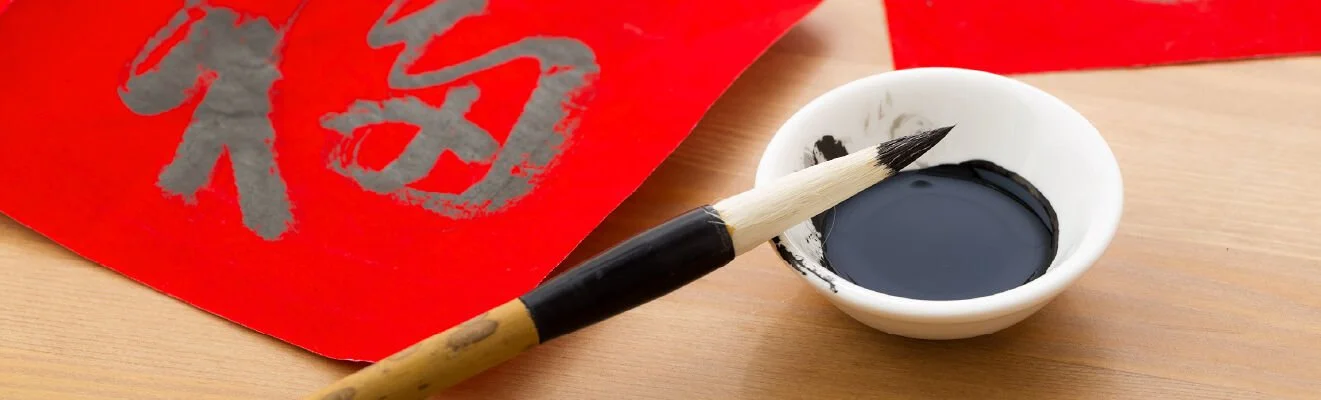
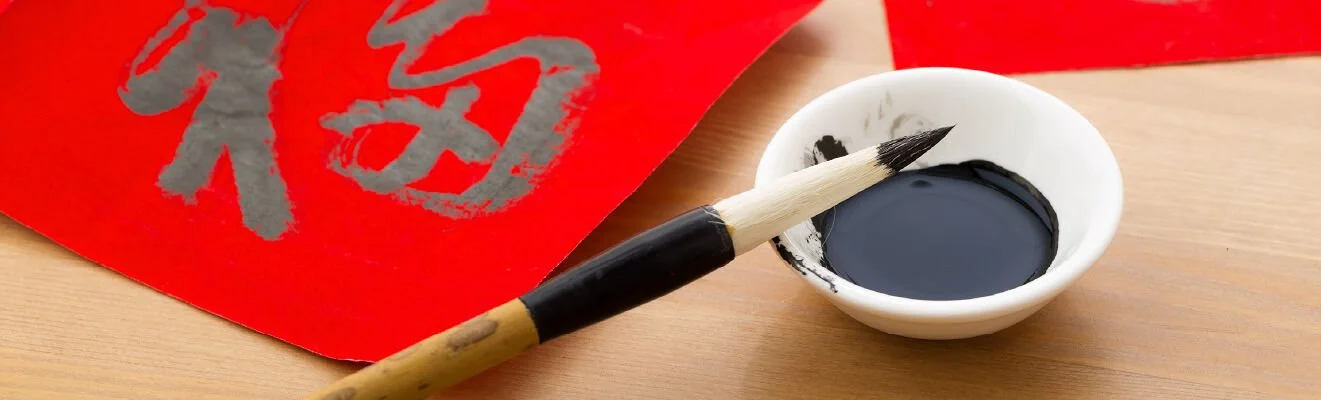
Chinese calligraphy is often described as writing in motion. Each character is created through a series of strokes that reflect rhythm, balance, and intention. In virtual Chinese calligraphy lessons, students begin by learning how to hold the brush correctly, how to control the flow of ink, and how traditional stroke order shapes each character. These foundations help students understand that calligraphy is not just about forming symbols, but about expressing movement and energy through every line.
Students joining from Toronto and Vancouver bring their own perspectives and curiosity to the learning experience. The virtual format allows participants to follow demonstrations closely, ask questions in real time, and practice alongside others who share an interest in the art. Even across distance, the lessons create a supportive and engaging environment where beginners feel comfortable experimenting with brush and ink.
Another benefit of virtual Chinese calligraphy lessons is accessibility. While Toronto and Vancouver are major cultural hubs, students can join from anywhere in the surrounding regions as well as other cities across North America. Participants often attend from locations such as New York, Boston, San Francisco, Los Angeles, Chicago, Las Vegas, and many communities in between. This broad reach creates a shared learning experience that connects people through creativity and tradition.
Many students discover that practicing calligraphy offers more than artistic development. The careful pace of writing encourages concentration and calm, providing a welcome contrast to the speed of everyday life. As students repeat strokes and refine their technique, they often develop a deeper appreciation for the balance and philosophy that have shaped Chinese calligraphy for generations.
Virtual Chinese calligraphy lessons in Toronto and Vancouver offer an accessible way to explore this meaningful tradition. Whether you are beginning for the first time or returning to brushwork after years away, the practice provides a thoughtful path into one of the world’s most enduring art forms.
To learn more about upcoming classes and workshops, visit https://jojocalligraphy.com.
Understanding “Shi”: The Hidden Momentum Behind Chinese Calligraphy
In Chinese calligraphy, beauty is not defined only by the shape of a character. Behind every stroke lies a deeper concept known as “Shi,” a term that describes the invisible momentum that flows through writing. It is the energy that carries one stroke into the next, the rhythm that transforms individual marks into a living composition. Rather than focusing solely on the appearance of characters, calligraphy invites us to observe how motion itself becomes the source of meaning.
“Shi” can be understood as the dynamic force that drives brushwork forward. Each stroke grows out of the one before it and prepares the path for the one that follows. In this way, Chinese calligraphy is less about isolated characters and more about continuity. The brush moves with intention, yet the resulting form is shaped by timing, pressure, and subtle shifts in direction. When these elements come together, the writing appears fluid and alive, carrying a sense of movement across the page.
A skilled calligrapher learns to work with this momentum rather than against it. Just as a dancer responds to music, the brush responds to the flow of ink and the texture of paper. What seems like spontaneity is actually the result of deep awareness. The artist senses how the brush should rise, turn, or pause, allowing the writing to unfold naturally. This responsiveness gives calligraphy its expressive power and ensures that no two pieces are ever exactly the same.
The concept of “Shi” also appears in other Chinese arts and philosophies. In martial arts, for example, a shift in balance or a change in direction can generate power and flow. Calligraphy follows a similar principle. Slight adjustments in the brush’s angle or speed can redirect the energy of a stroke, giving the character a sense of vitality. Even small variations can transform a static form into something dynamic and expressive.
One of the clearest examples of “Shi” can be seen in cursive script. In this style, characters are not separated by rigid boundaries. Instead, they flow into one another, creating a continuous line of motion. The brush travels quickly at times and slowly at others, forming a pattern that resembles a conversation between movements. The result is writing that feels immediate and alive, as though the page is capturing the rhythm of thought itself.
What makes this concept especially powerful is that it shifts our attention away from perfection and toward connection. The goal is not simply to write a character correctly but to allow the brush to move with purpose and continuity. Each mark contains a trace of the artist’s timing, emotion, and awareness in that moment. Over time, students of calligraphy begin to see how these subtle movements reveal the personality and presence of the writer.
If you are interested in learning more about Chinese calligraphy and experiencing these principles firsthand, explore upcoming workshops and classes by visiting https://jojocalligraphy.com.

Virtual Chinese Calligraphy Lessons in Vancouver: Experience Brush and Ink from Anywhere
For those in Vancouver seeking a meaningful and creative practice, virtual Chinese calligraphy lessons offer an opportunity to explore a centuries-old art form from the comfort of home. Whether you live in the heart of downtown, near the waterfront, or in surrounding neighborhoods, live online instruction makes it possible to study traditional brush techniques without the need to travel.
Chinese calligraphy is more than writing characters—it is an art of movement, balance, and intention. Through virtual Chinese calligraphy lessons in Vancouver, students learn how to hold the brush correctly, understand stroke order, and develop a feel for rhythm and spacing. Each session emphasizes both technique and awareness, helping participants build skill while also experiencing the calming, focused nature of the practice.
Online lessons are interactive and thoughtfully paced. Students receive real-time guidance and feedback, allowing them to refine their strokes and gain confidence over time. Beginners are welcome, and no prior knowledge of Chinese language is required. Many participants are drawn to calligraphy as a way to connect with culture, deepen artistic skills, or simply slow down in an otherwise busy routine.
One of the greatest advantages of virtual learning is accessibility. While these sessions are available to students in Vancouver, they are also open to participants across Canada and throughout North America. This shared online space creates a sense of community, bringing together individuals from different cities who share an interest in art, heritage, and mindful creativity.
Virtual Chinese calligraphy lessons in Vancouver provide a unique blend of tradition and modern convenience. With each brushstroke, students discover not only how to form characters, but how to cultivate focus, patience, and expression.
To explore upcoming classes or schedule a private session, visit https://jojocalligraphy.com.