The Hidden Language of Movement in Chinese Calligraphy
When people first encounter Chinese calligraphy, they often admire the graceful brush strokes and elegant characters. But beyond the surface beauty lies something deeper—a language of movement. Chinese calligraphy isn’t just a visual art; it’s a physical, meditative practice that reveals the energy and intention of the writer.
Each stroke is more than ink on paper. It reflects breath, posture, pressure, and emotion. The way a character is formed speaks volumes about the moment it was created. A hurried stroke can feel tense; a steady hand can communicate calm and clarity. In this way, calligraphy becomes a mirror. What you write becomes a reflection of how you are.
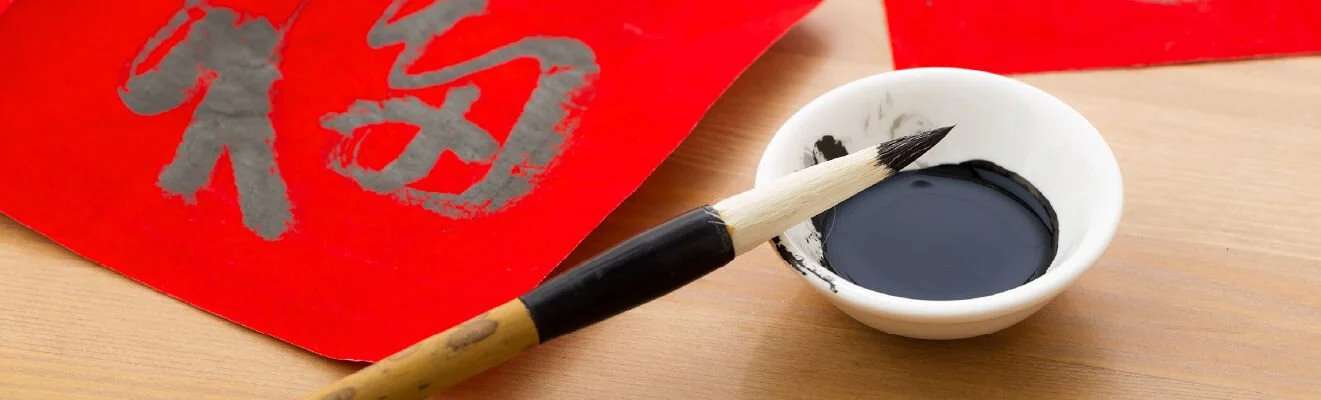
Unlike typing or printing, the act of calligraphy is deliberate and personal. It connects the mind to the body, grounding the artist in rhythm and repetition. Even someone unfamiliar with the Chinese language can feel the mood behind each character—there is rhythm, there is pulse, there is presence.
In Jojo Liu’s workshops, students learn to recognize this energy. The practice isn’t about copying perfect forms; it’s about letting movement and meaning flow together. With brush in hand, each person discovers not only how to write a word but how to embody it.
What makes this practice unique is that every character becomes a performance. A single stroke, done with intention, carries not just information but emotion. This makes calligraphy feel alive, evolving with every session. Participants begin to notice how their movements change based on their mindset, allowing the practice to become a form of self-awareness.
This connection between body and mind often leads to an unexpected benefit: inner calm. As students focus on the brush, distractions fall away. The rhythm of stroke-making becomes meditative, helping people find stillness even in the busiest moments of life.
Calligraphy also builds confidence. There is no undo button. Each mark is permanent, which encourages acceptance and commitment in the creative process. Over time, students learn to trust their instincts and embrace what they create.
Whether you're learning virtually or attending a local session, Chinese calligraphy offers more than technique. It offers a quiet space for mindfulness, a discipline of flow, and a chance to meet yourself through ink and brush. To learn more about upcoming classes, visit https://jojocalligraphy.com.