Why Imperfection Makes Calligraphy More Beautiful
In a world that often values flawless execution, Chinese calligraphy teaches a powerful counterpoint: true beauty comes from authenticity, not perfection. A line that wobbles, a brush that runs dry, or a stroke made a moment too late—these small "imperfections" are not mistakes. They are signs of life.
In Jojo Liu’s classes, students quickly learn that calligraphy isn’t about getting every stroke right. It’s about responding to the present moment with the brush. The ink is fluid, the paper is absorbent, and each movement leaves a permanent trace. There are no do-overs—only presence.
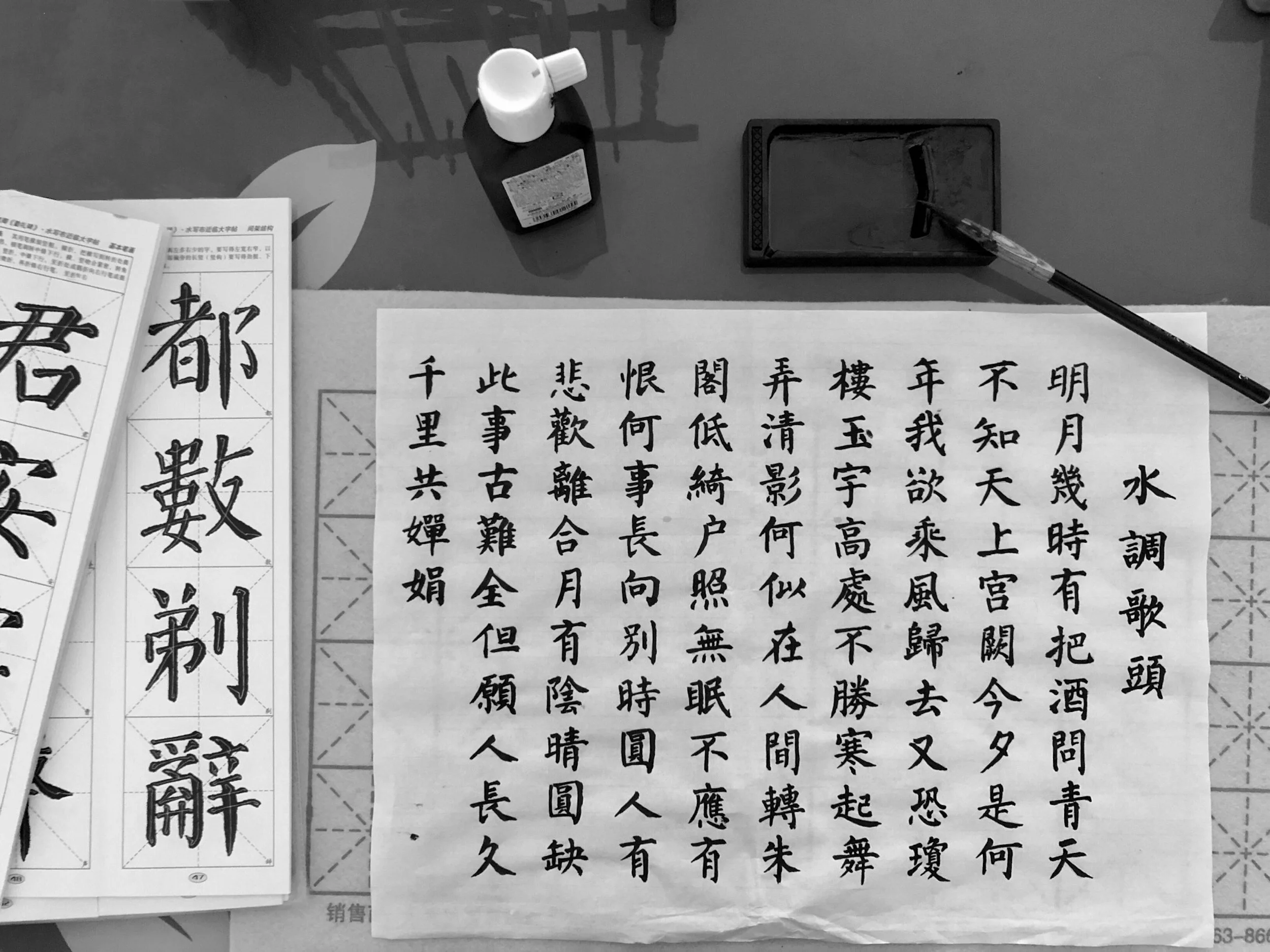
This spontaneity is what makes calligraphy unique. It's less like graphic design and more like music or dance. You prepare, you practice, but when the brush meets the page, you let go. You feel the ink move with you. The result is never exactly the same twice. That’s the beauty.
These lessons extend beyond the page. Calligraphy teaches patience, humility, and awareness. It reminds us that expression doesn't need to be polished to be powerful. A slightly uneven character can carry more emotion and spirit than one that is technically perfect.
Many students find that embracing imperfection gives them permission to take creative risks. They stop trying to control every detail and instead learn to observe and adapt. In this way, calligraphy becomes an art of acceptance, turning flaws into features.
The nature of brush and ink demands flexibility. Sometimes the stroke won’t land where expected, or the ink may bleed in unpredictable ways. Rather than resisting this, students are encouraged to work with the flow. The result is a piece that is not only visually interesting but deeply personal.
Over time, this mindset builds resilience and joy in the creative process. Students who feared making mistakes often become the ones who create the most expressive works. Through imperfection, they find their own artistic voice.
Jojo encourages her students to welcome the unexpected and find freedom in the flow. Whether you’re a beginner or returning to the art, there’s always something new to discover.
Join a virtual or in-person class and explore how imperfection in calligraphy becomes a form of authenticity. Visit https://jojocalligraphy.com for more details.