
Virtual Chinese Calligraphy Lessons in Los Angeles: Learn the Art of Brush and Ink from Home
For those seeking a creative practice rooted in history and mindfulness, virtual Chinese calligraphy lessons in Los Angeles offer a meaningful way to learn without leaving home. In a city known for innovation and artistic expression, this centuries-old art form finds new life through live online instruction that connects tradition with modern convenience.
Chinese calligraphy is more than writing characters. It is a disciplined yet expressive practice that combines posture, breath, and movement. Through virtual lessons, students in Los Angeles can experience real-time guidance on brush control, stroke order, and composition while developing a deeper understanding of how intention shapes each mark on paper. Even through a screen, the tactile rhythm of ink flowing onto rice paper remains central to the experience.
One of the advantages of learning virtually is flexibility. Students can join from anywhere in Los Angeles—whether in downtown high-rises, coastal neighborhoods, or the surrounding communities—without the need to commute. Classes are structured to be interactive and supportive, making them accessible to beginners while still offering refinement for more experienced learners. Participants receive direct feedback and have the opportunity to ask questions as they practice.
Beyond technique, virtual Chinese calligraphy lessons create space for focus in an otherwise fast-paced environment. The act of holding a brush slows the mind. Each stroke demands attention. Over time, students discover that calligraphy becomes both a creative outlet and a grounding ritual.
These lessons are open to all ages and backgrounds. No prior knowledge of Chinese language is required. Whether you are reconnecting with cultural roots, exploring a new artistic medium, or simply looking for a mindful practice, virtual Chinese calligraphy lessons in Los Angeles provide a welcoming entry point.
To learn more about upcoming online classes and private sessions, visit https://jojocalligraphy.com.
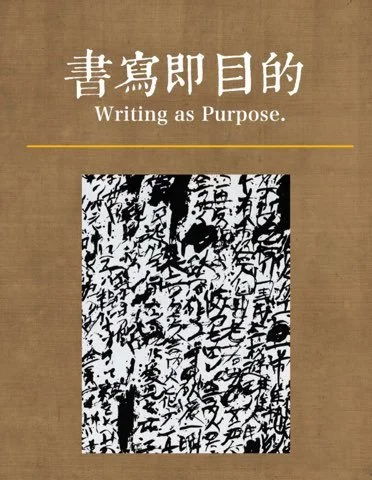
Writing as Purpose: Returning to the Act of Calligraphy
Why do we write? In an age where words are typed, erased, and rewritten in seconds, the act of writing by hand can feel almost unnecessary. Yet within Chinese calligraphy lies a different answer—one that suggests writing does not need an external goal to justify itself. Writing, in this sense, is its own purpose.
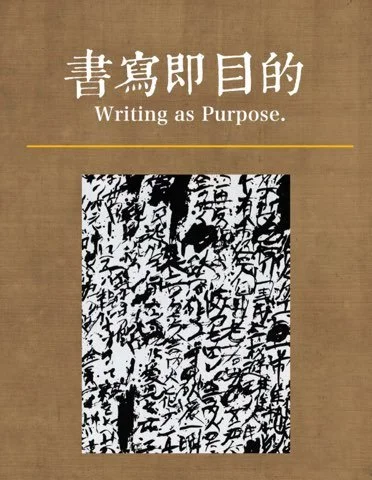
Calligraphy is not simply the transmission of language. When brush meets paper, meaning does not arrive fully formed. Instead, it unfolds. The stroke carries rhythm, pressure, hesitation, and release. What appears on the page is not just a character, but a record of movement. It is the trace of a moment lived fully and expressed without revision.
Unlike writing for communication alone, calligraphy does not cling to fixed interpretation. The separation between sign and meaning opens space for possibility. A single character may evoke comfort for one viewer and strength for another. This openness is not accidental—it is essential. The artist does not predefine the outcome but enters into a dialogue with brush and ink, allowing the work to reveal itself gradually.
The process itself becomes the center. The brush is held, ink is absorbed, and the hand moves slowly. Each gesture reflects breath and awareness. There is no undo button, no polishing after the fact. What remains on the page is honest. In this way, calligraphy becomes an encounter with presence. The body participates fully; the mind settles into focus; time seems to stretch and soften.
In traditional thought, writing as purpose means that the act itself carries vitality. It does not serve utility alone. It is not decoration, nor merely a vehicle for information. Instead, it affirms existence through action. To write is to assert life in motion—to resist emptiness by creating form through attention and care.
This understanding reshapes how we view art and creativity. When the emphasis shifts from product to process, from perfection to participation, something changes internally. The work becomes less about outcome and more about engagement. The brush moves, and meaning emerges through difference—through subtle variations in pressure, pace, and pause.
Chinese calligraphy invites us back to something simple yet profound: to write not for display, but for presence. To allow the flow of ink to mirror the flow of thought. To rediscover that creativity can be both quiet and powerful at once.
If you would like to explore this practice and experience writing as purpose for yourself, visit https://jojocalligraphy.com to learn more about upcoming classes and workshops.

Virtual Chinese Calligraphy Lessons: A Timeless Art, Now Within Reach
Chinese calligraphy has been practiced for thousands of years, yet it continues to evolve with the way we live and learn today. Through virtual Chinese calligraphy lessons, this expressive art form is now accessible to students across the country, allowing tradition to meet modern life without losing its depth or meaning.
Learning calligraphy online may seem unconventional at first, but the virtual format offers unexpected advantages. Students are guided in real time through brush techniques, stroke order, and character structure, while learning at their own pace in a familiar space. With a camera focused on the brush and paper, subtle movements become easier to observe, making instruction clear and personal.
More than technique, these lessons emphasize awareness. Calligraphy requires attention to posture, breath, and timing. As students practice, they begin to notice how their mindset influences the way the brush moves. A steady hand reflects calm; a rushed stroke reveals tension. Over time, the practice becomes a way to slow down and reconnect with intention.
Virtual Chinese calligraphy lessons welcome students of all backgrounds. No prior experience or knowledge of the Chinese language is required. Many participants join out of curiosity, while others seek a creative routine or a mindful practice to balance daily life. The shared online space creates a sense of connection, even across distance, as students learn together and grow through repetition.
By bringing calligraphy into a virtual setting, this ancient art becomes part of everyday life again. It remains tactile, thoughtful, and deeply human—rooted in movement and presence, even through a screen.
To learn more about upcoming virtual Chinese calligraphy lessons, visit https://jojocalligraphy.com.
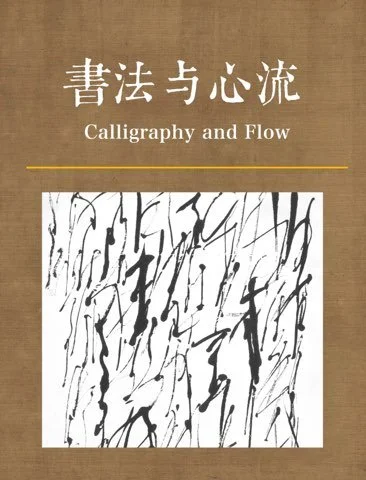
Learning to Slow Down: What Chinese Calligraphy Teaches Us Over Time
In many of today’s creative spaces, speed is rewarded. We sketch quickly, type faster, and move on. Chinese calligraphy asks for the opposite. It asks you to slow down enough to notice how your hand moves, how your breath settles, and how intention shapes every mark you make on the page.
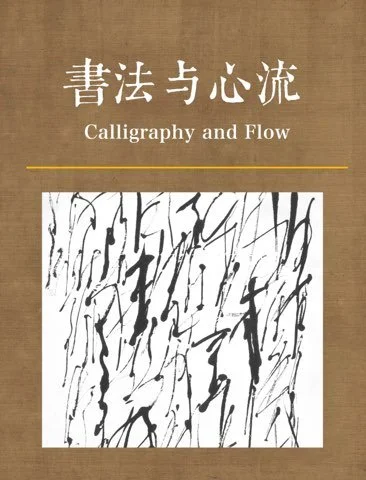
Students encountering calligraphy for the first time often expect it to be about memorizing characters or perfecting form. What they discover instead is a process that unfolds gradually. Early strokes may feel uncertain. The brush may wobble. Ink may spread in unexpected ways. These moments are not setbacks—they are the beginning of awareness.
The progression captured in student work and practice sheets tells a powerful story. Initial attempts show careful concentration, a focus on control. Over time, the strokes loosen. Movement becomes more confident. Lines begin to breathe. This evolution doesn’t come from rushing or correcting mistakes, but from repetition and attention.
One of the most meaningful lessons calligraphy offers is patience. Because there is no erasing, each stroke carries weight. Students learn to pause before acting, to commit fully once the brush touches paper. This rhythm—prepare, move, release—becomes a steady guide throughout the practice.
Calligraphy also reshapes how people think about learning. Instead of aiming for a finished product, students begin to value the process itself. A page of imperfect characters becomes a record of effort, growth, and presence. Over time, this mindset often extends beyond the art form, influencing how students approach challenges in other areas of life.
The images from recent classes and workshops reflect this quiet transformation. They show focus, curiosity, and moments of calm concentration. They show that calligraphy is not reserved for experts or those fluent in Chinese, but open to anyone willing to engage with the brush and the moment in front of them.
Whether practiced virtually or in person, Chinese calligraphy continues to resonate because it teaches something rare: how to be fully present while creating. Each session becomes less about writing characters and more about learning how to move with intention.
To explore upcoming virtual and in-person calligraphy classes, visit https://jojocalligraphy.com.